Closed-cell foam insulation in Salinas CA - sealed and insulated in one pass
Cold floors over the crawl space, drafty rim joists or a damp corner under the house? Dense foam seals and insulates in one layer.
Is closed-cell foam the right insulation for my house?
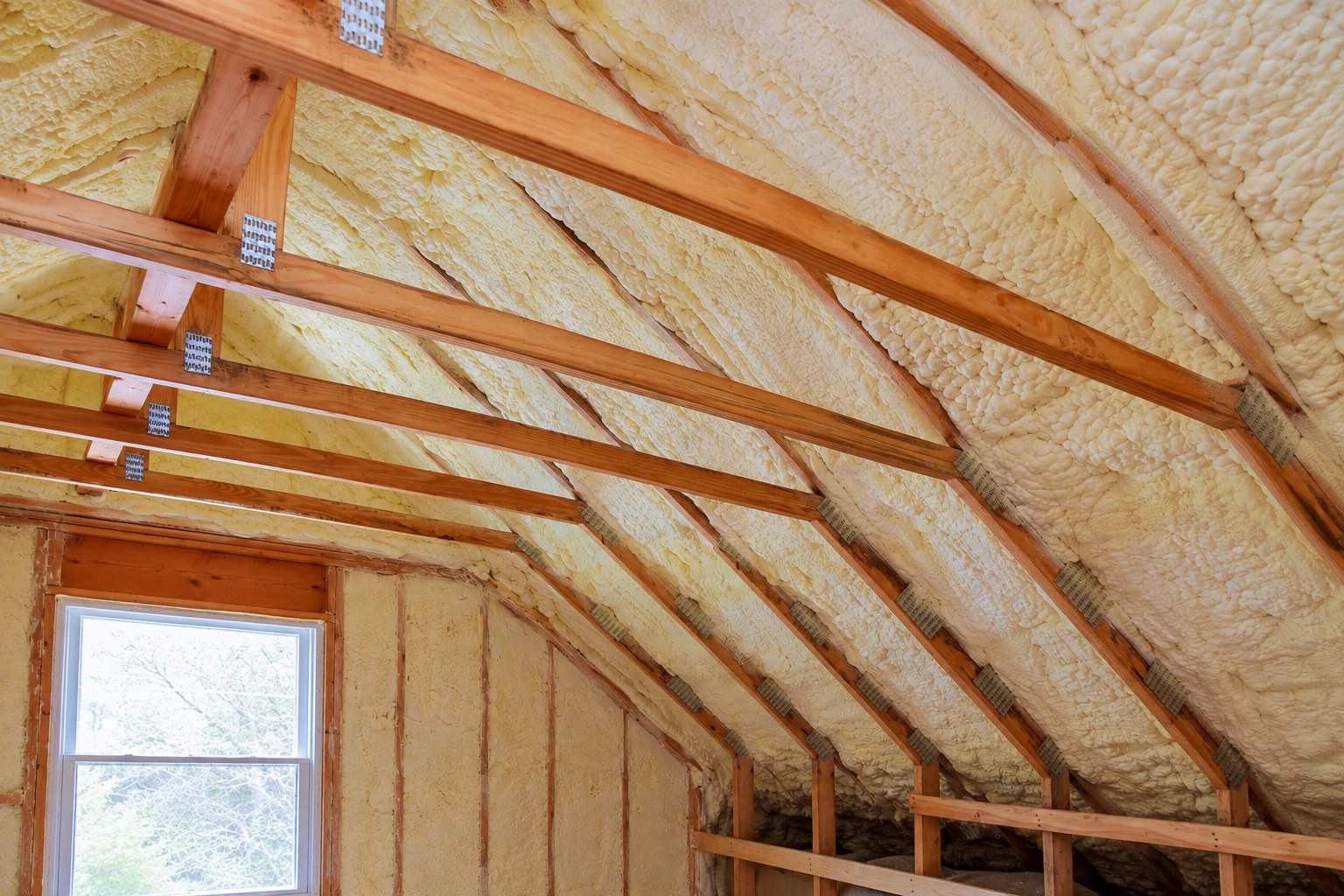
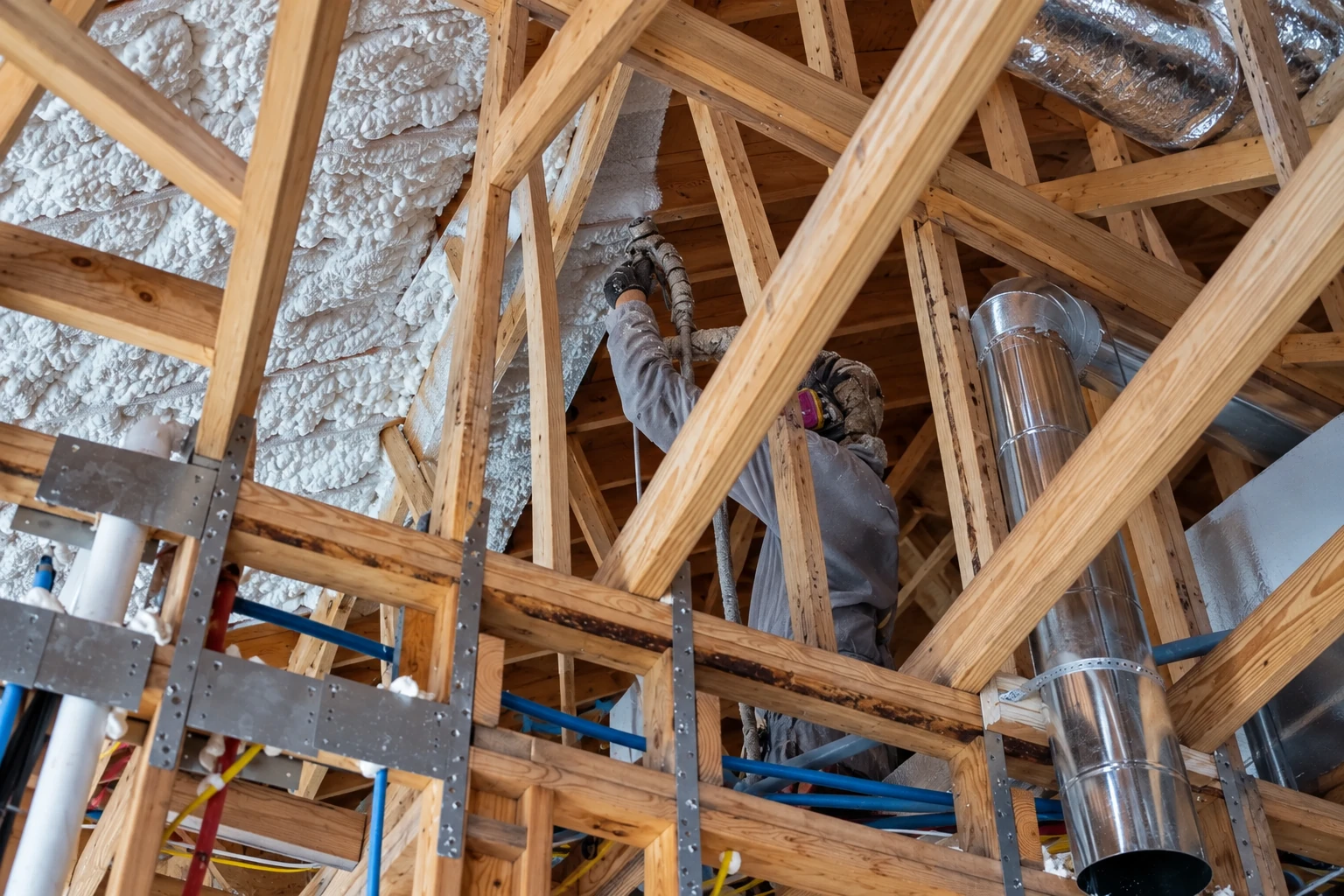
Closed-cell foam insulation is a dense foam we spray onto rim joists, the wood band that sits on top of your foundation, plus crawl space walls and other tight spots in Salinas homes. It hardens into a rigid layer that seals air leaks and insulates at the same time. It rates about R-6 per inch, R-value being the number for how well insulation slows heat, so a thin coat does a lot of work.
Most people call us because the floor over the crawl space is cold, the room over the garage never feels right, or there's a damp spot under the house where the old batts keep sagging and smelling musty. The price comes down to how many square feet need foam, how thick it goes, how easy the spot is to reach and whether old insulation has to come out first. The schedule mostly depends on that cleanup and on when your household can plan to be away, and I'll give you the number for your house at the estimate. If dampness under the house is the bigger problem, a crawl space vapor barrier may need to come first.
How we install closed-cell foam insulation
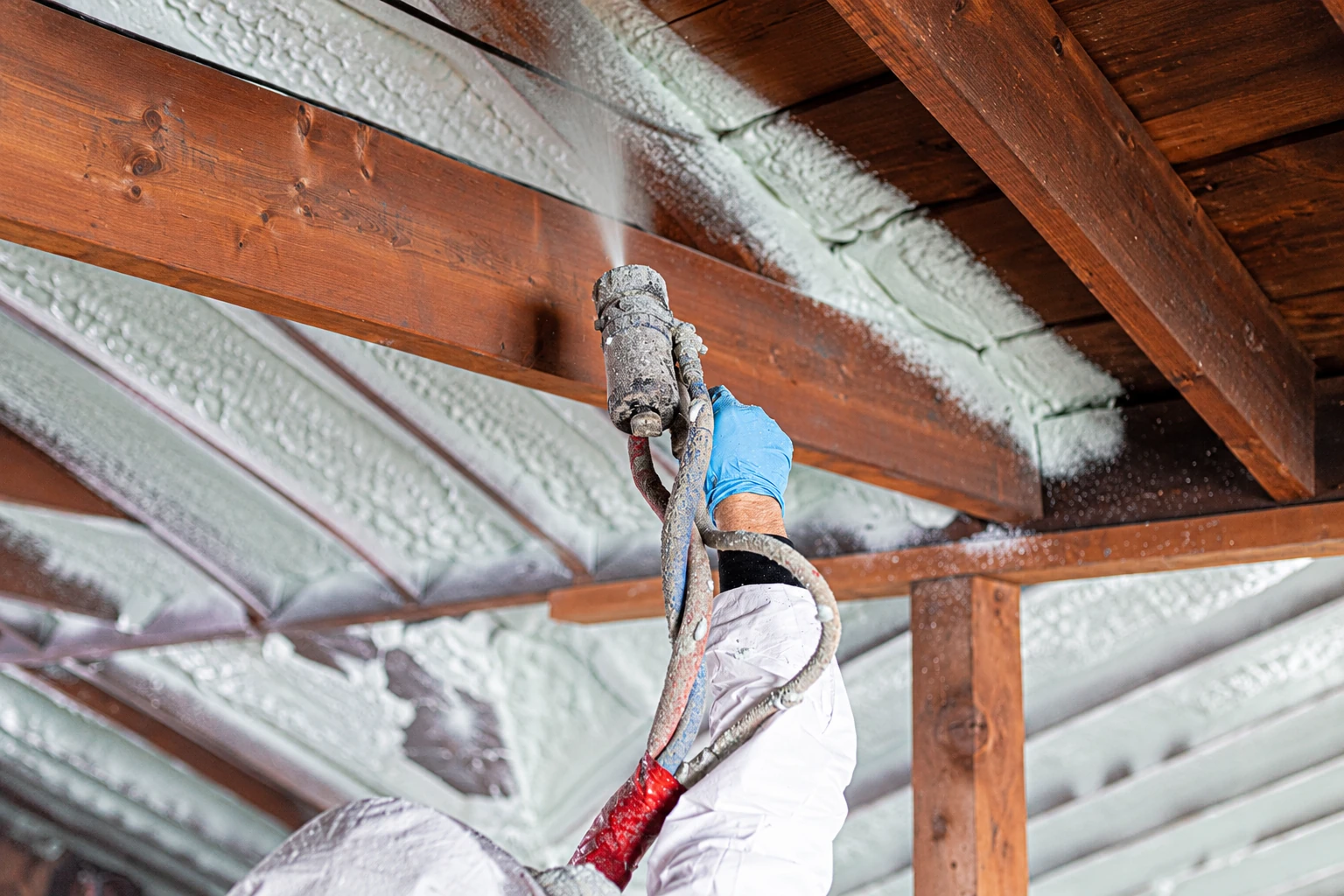
I reach for closed-cell where moisture is a worry or space is tight, because it seals and insulates in one pass. We start by checking for wet wood, droppings and old soggy insulation and pulling out whatever's bad, since foam sprayed over a problem only hides it. Before anyone sprays, we sit down with you and agree on the safety plan: who leaves, where the pets go and when everyone comes back. That's also the time to tell me if anyone at home has asthma, allergies or skin trouble. Federal safety guidance says people with those conditions, or anyone who has reacted to isocyanates, a chemical in spray foam, should read the product details carefully and may want a different insulation, so we'd look them over together and decide if foam is right for you. When the job calls for it, the work area gets closed off with plastic sheeting taped at the seams. Then we spray, go back over the edges and corners so they aren't left thin, and clean up before you're back.
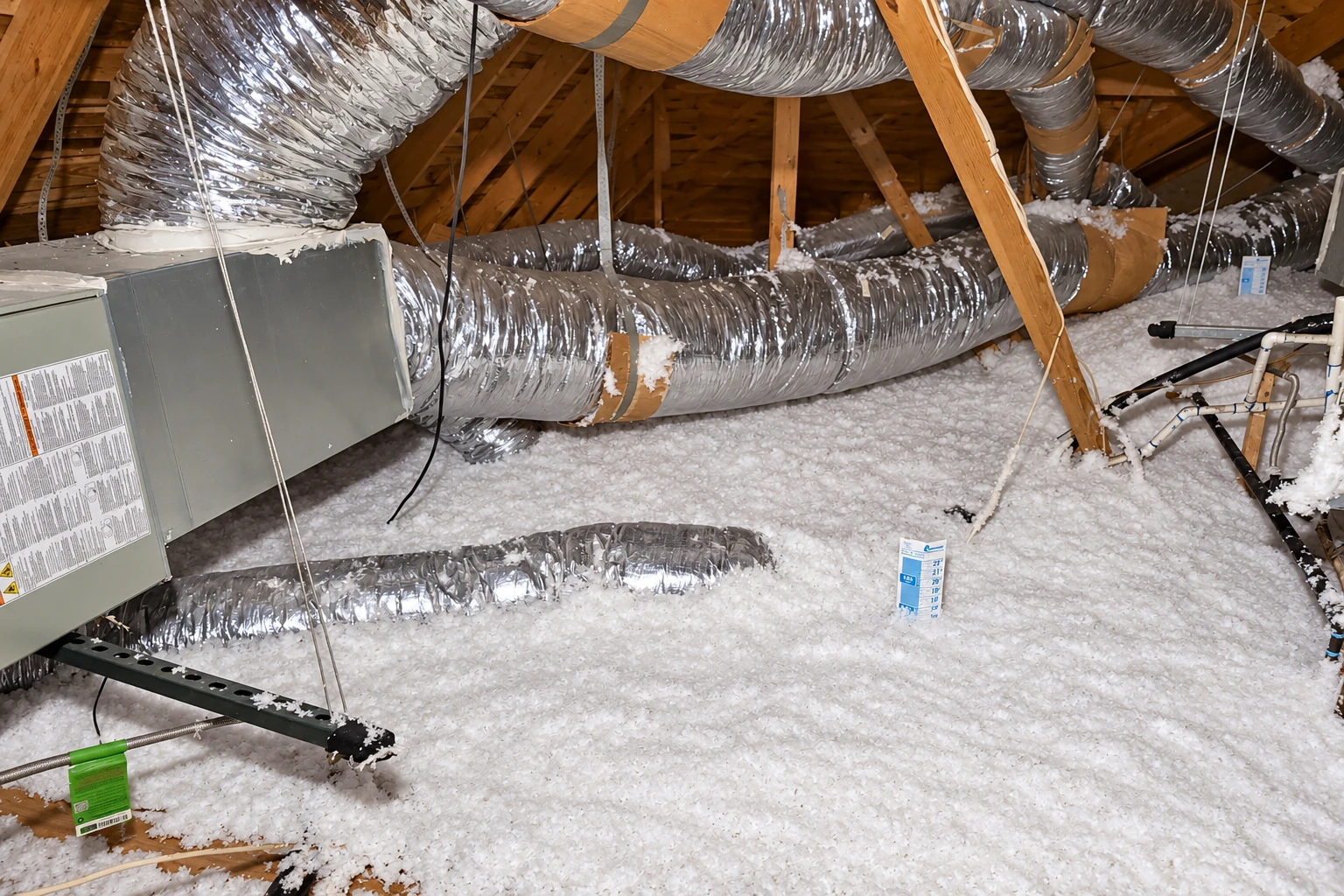
Closed-cell isn't the answer everywhere, and I'll tell you when it isn't. Open-cell foam insulation is softer and costs less per inch, which suits deep rafter bays in a dry space. In plenty of attics, sealing the gaps and topping up the loose fill does the job for less money than any foam, unless your ductwork runs up there, and then foam usually earns its price. For shops, offices and warehouses, our commercial insulation crew follows the same order on a bigger scale.
Rim joists and crawl space walls
This suits houses with cold floors or a damp crawl space, where air and moisture sneak in along the foundation. A thin coat fills the gaps and corners that batts never quite cover.
Tight walls, ceilings and the room over the garage
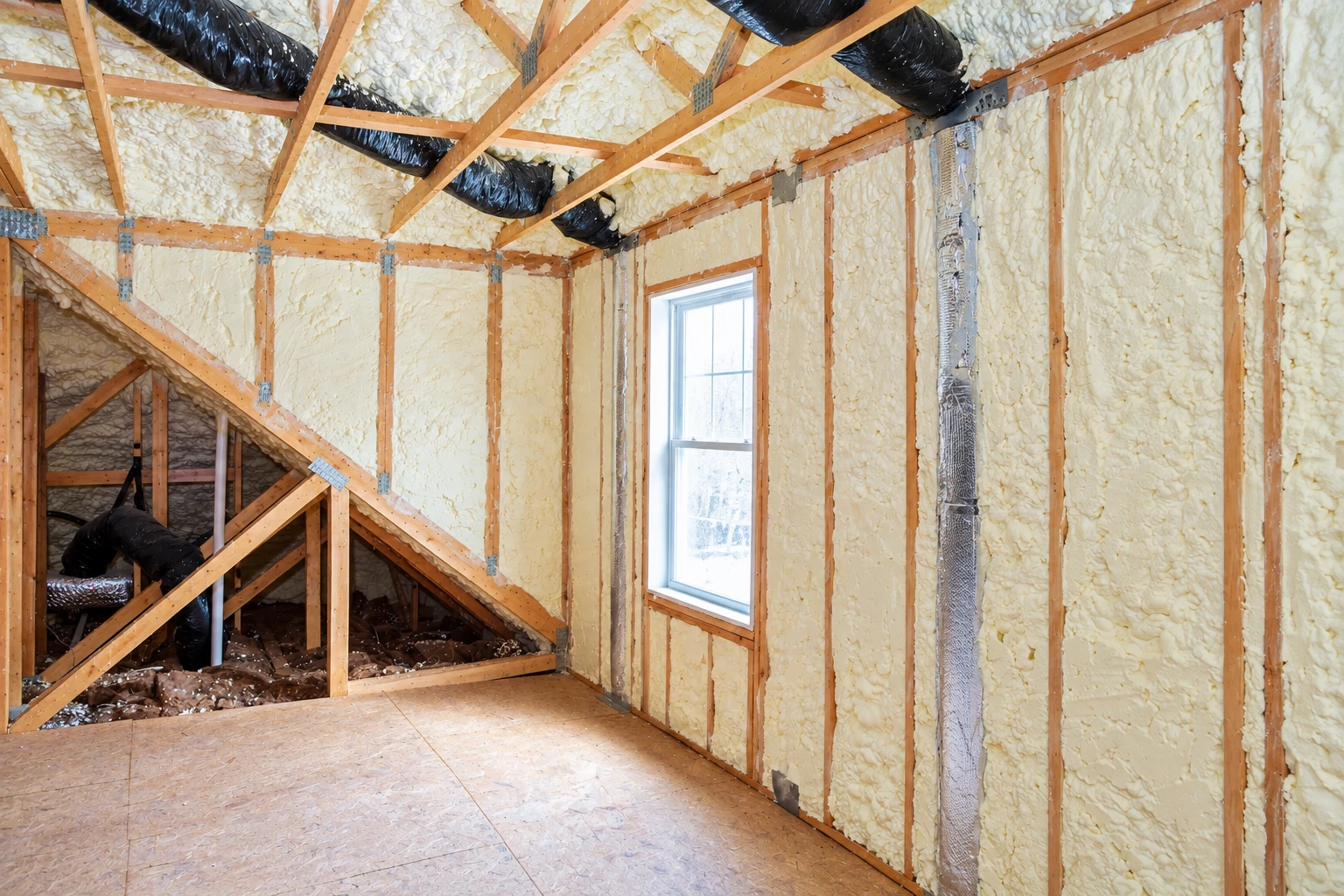
This is for shallow cavities where thick insulation won't fit and every inch has to count. You get more insulation out of less space, and the air leaks get sealed in the same pass.
Closed-cell foam insulation in Salinas: what to plan for
Whether a closed-cell foam job in Salinas needs a permit is up to the city or county office, and we don't assume either way. We check with that office before we start, and when a permit is needed we handle the application and set up the inspection visits. California's newer building energy standards also took effect at the start of 2026, so ask us at the estimate how they apply to your project and we'll go through it with you.
Spray foam is fussy about temperature and humidity on the day it goes on, so ask us what time of year suits your job and we'll set the date around that. Around here we get a lot of calls about crawl spaces, rim joists and that room over the garage, and we do the same work in Marina, Prunedale and the other cities across the valley and the coast.
Closed-cell foam, up close
Why call us for closed-cell foam
The owner writes your estimate
I come out to look at every job and write the estimate myself, and a crew lead runs the install while I check in along the way. The person who walked your crawl space with you is the one making sure the foam goes on right.
Started in Salinas in 2021
We've been at this for five years, and before that I spent years on commercial crews in warehouses, schools and office buildings, where working in order and keeping a site clean and safe wasn't optional. Those habits come with us into your house.
Licensed, insured, satisfaction guaranteed
We're fully licensed and insured, so you aren't taking on the risk of an uncovered crew working in your home. Our promise is simple, and it's satisfaction guaranteed on every job.
On a foam job, the order of the work and the safety plan matter more than speed, so send us a note or call (831) 243-7218 and tell us which spots you're thinking about.
(831) 243-7218Get a closed-cell foam estimate for your house
We reply to every message within one business day to set a time. Then I come out, look at the areas you want insulated and write up a free estimate, with no obligation to go ahead. Mention anyone at home with asthma, allergies or skin trouble, so we can go over the product details before anything is decided.
Closed-cell foam questions from Salinas homeowners
How much does closed-cell foam insulation cost in Salinas?
There's no single price, because it depends on which spots get sprayed, how thick the foam goes and how hard they are to reach. A few open rim joists are a small job next to a whole crawl space, and pulling out soaked or dirty old insulation first adds labor. I'll give you a real number after I've seen it in person.
What is the best way to choose between closed-cell and open-cell foam?
Pick closed-cell where space is tight or moisture is a concern, because it seals with a much thinner layer. At rim joists, closed-cell needs a finished thickness of at least 1.5 inches to count as an air barrier, while open-cell needs at least 5.5 inches. Where there's room and the space stays dry, open-cell can make sense.
Will closed-cell foam soak up water in a damp crawl space?
No. Closed-cell foam doesn't absorb water, and at the thickness it's usually sprayed it also works as a vapor retarder, so moisture in the air barely gets through it. We still find out where the dampness is coming from first, because foam over wet wood just hides the trouble.
How long do we need to stay out of the house after closed-cell foam is sprayed?
Plan on being out for at least 24 hours, during the install and after it, which is what Consumer Product Safety Commission staff guidance recommends. EPA guidance adds that you come back once the foam has finished curing and the house has been aired out and thoroughly cleaned. We settle where everyone, pets included, will stay well before spray day.
Does a small insulation job in California still need a licensed contractor?
Yes, if the job needs a permit of any kind or the installer hires workers to help. The state licensing board says a license is required in those cases even for minor work under $1,000. Ask any installer you're considering about their license before they start.
Does closed-cell foam in the walls help a house in an earthquake?
It can add strength. A Department of Energy guide says closed-cell foam in framed wall cavities makes the walls substantially stronger against racking, the sideways push that shoves a wall out of square, and calls that an advantage in earthquake zones. We treat it as a bonus on top of the insulation, not a replacement for proper framing.
Talk to us about closed-cell foam for your house
We're open until 11 PM on weekdays and 9 PM on weekends, so call (831) 243-7218 after work or send the form tonight.